Choosing the right wedding venue is one of the most important decisions couples will make when planning their wedding. Melbourne offers an extraordinary variety of venues, from heritage estates and waterfront locations to modern ballrooms and industrial spaces.
Understanding how to evaluate these options can help ensure the chosen venue supports both the vision and logistics of the day. This guide outlines the key factors to consider when selecting a wedding venue in Melbourne, helping couples make a confident and informed decision.
1. Define the Wedding Style and Atmosphere
Before viewing venues, it helps to clarify the overall style of the wedding. The venue should complement the desired atmosphere rather than require extensive styling to transform it.
Common wedding styles include:
- Classic and formal
- Modern and minimalist
- Garden or outdoor
- Industrial or urban
- Bohemian or creative
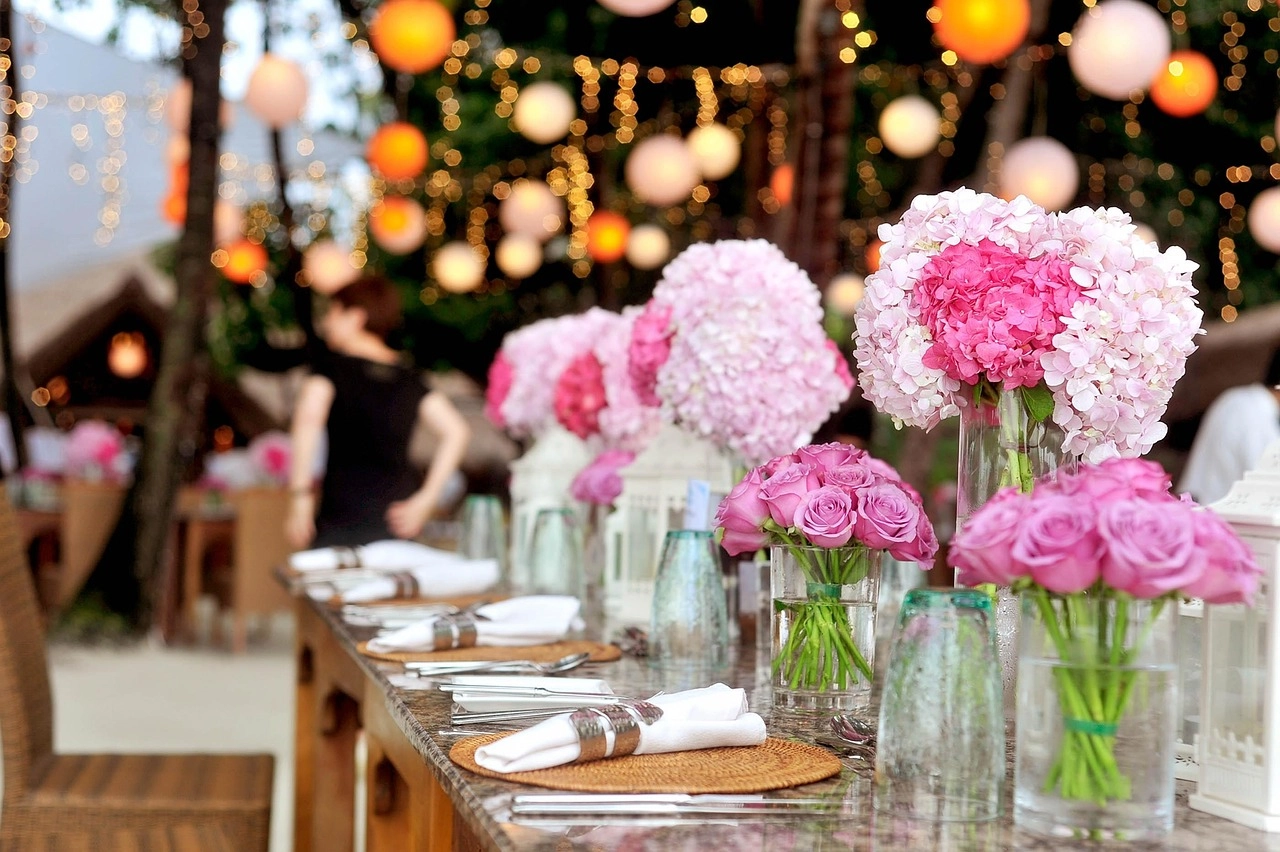
For example, heritage estates such as grand mansions suit traditional weddings more while converted warehouses and cultural precincts are often better suited to contemporary or relaxed celebrations.
2. Consider Guest Numbers and Capacity
Guest count is important in venue selection. A venue should comfortably accommodate all guests while allowing space for dining, dancing, and movement.
When assessing capacity, couples should ask:
- Is the maximum capacity suitable for a seated or cocktail-style reception?
- Are there separate spaces for the ceremony, reception, and pre-dinner drinks?
- How does the space feel when partially filled?
A venue that is too large can feel empty, while one that is too small can feel crowded and restrict service flow.
3. Location and Accessibility
Melbourne weddings may take place in the CBD, inner suburbs, regional Victoria, or coastal locations. Location affects guest travel, accommodation options, and logistics on the day
So, it is important that you consider the:
- Proximity to accommodation and transport
- Parking availability
- Travel time for guests
- Accessibility for elderly guests or those with mobility needs
Venues in central or well-connected areas often simplify the planning and improve the overall guest experience.
4. Catering and Beverage Flexibility
Food and beverage service is a central part of any wedding celebration. Some venues offer in-house catering, while others allow couples to bring in their preferred caterer.
Important questions to ask include:
- Is the venue partnered with a caterer or open to external catering?
- Are menus flexible and customisable?
- Can dietary requirements be accommodated?
- What beverage packages or bar options are available?
Venues that work with experienced wedding caterers can offer smoother coordination and consistent service throughout the event.
5. Seasonal Considerations
Melbourne’s weather can be unpredictable, making seasonal planning important —particularly for outdoor or partially outdoor venues.
You must consider the following:
- Wet-weather backup options
- Heating or cooling for guest comfort
- Natural lighting at different times of year
- Seasonal availability of outdoor spaces
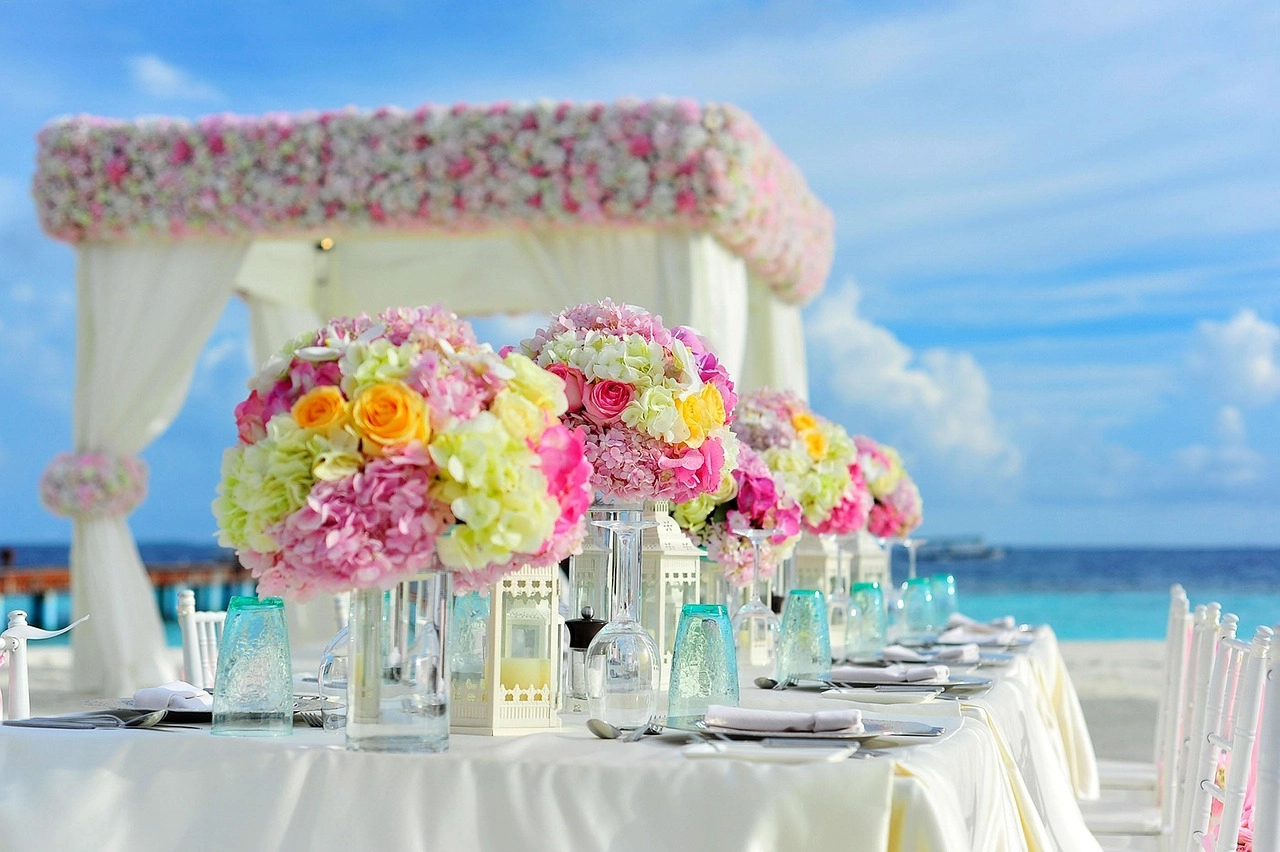
A venue that provides flexible indoor and outdoor options allows for greater peace of mind, regardless of the season.
6. Off-Site and Non-Traditional Venues
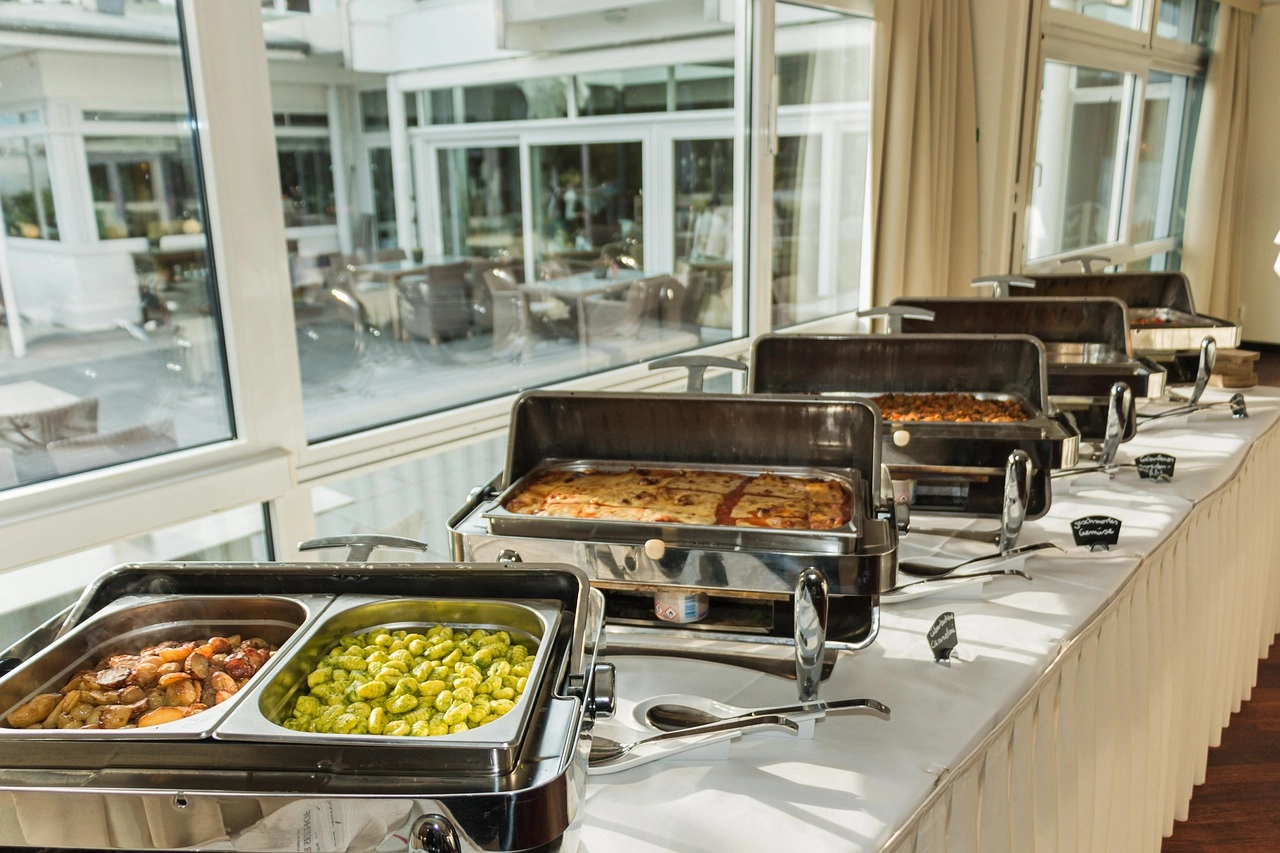
Many couples are choosing private properties, warehouses, or unique locations for their weddings. While these venues offer flexibility and originality, they also require additional planning.
Off-site venues may need:
- Temporary kitchens and catering infrastructure
- Power, lighting, and amenities
- Additional hire items such as furniture and flooring
- Council permits or noise considerations
Working with an experienced wedding caterer like Peter Rowland familiar with off-site events can help manage these logistical challenges.
7. Support and Planning Services
Beyond the physical space, the level of support provided by the venue and catering team can significantly impact your planning experience.
Couples should ask:
- Is an event coordinator included?
- How involved is the venue team in planning and setup?
- Are trusted suppliers recommended?
- How is service managed on the day?
Venues and caterers that offer end-to-end support can reduce stress and help ensure a seamless wedding day.
8. Budget and Value
While budget is important, value should be assessed alongside cost. A venue that includes staffing, coordination, or catering may offer better overall value than a lower-cost venue requiring multiple external suppliers.
It is important to request clear, itemised quotes and understand what is included before making a decision.
Making the Final Choice
The perfect wedding venue is one that aligns with the couple’s vision, supports guest comfort, and allows the day to run smoothly. Taking the time to assess style, location, catering, and support services helps ensure the chosen venue enhances the overall experience.
Melbourne’s diverse range of wedding venues means there is an option to suit every style, size, and celebration.
Planning a Wedding in Melbourne?
Couples seeking guidance on venue selection, catering options, or off-site wedding planning can submit an enquiry for personalised recommendations and professional support.